

led glass mirror
Understanding Dial Bore Gauge Instructions A dial bore gauge is an essential tool used by engineers and mechanics to measure the internal dimensions of cylindrical objects, such as engine cylinders, pipes, or various components in machinery. Accurately measuring the diameter and roundness of a bore is fundamental to ensuring the proper fit and function of mating parts. This article will provide an overview of how to effectively use a dial bore gauge, focusing on its purpose, features, and step-by-step instructions. Purpose of Dial Bore Gauges The primary purpose of a dial bore gauge is to measure the internal diameter of a bore with high precision. This tool is crucial in quality control processes, where precise dimensions are necessary for proper assembly and functionality. Using a dial gauge helps identify wear and tear, evaluate the tolerance levels of parts, and ensure proper alignment, which is vital in applications such as automotive engine assembly or manufacturing. Features of a Dial Bore Gauge A dial bore gauge typically consists of several key components 1. Dial Indicator This part reads the measurements and is marked in either increments of thousandths of an inch or millimeters, depending on the gauge's design. The dial indicator displays the exact measurement based on the displacement of the measuring probes. 2. Measuring Probes These are adjustable arms that expand to make contact with the inner wall of the bore. Most gauges come with two or more contact points to measure the diameter accurately. 3. Depth Rod This feature helps determine how deep the gauge can reach within a bore, ensuring measurements taken are at uniform depths . 4. Base or Body This is the main structure of the tool, providing stability and support while taking measurements. Step-by-Step Instructions dial bore gauge instructions To use a dial bore gauge correctly, follow these steps 1. Preparation Before measuring, ensure that the bore is clean and free from debris. Any contamination can lead to inaccurate measurements. Check the dial gauge for calibration to ensure its readings are precise. 2. Setting Up the Gauge Adjust the measuring probes to fit slightly below the bore's approximate diameter. For instance, if measuring a bore with an expected diameter of 1 inch, set the gauge to around 0.995 inches to allow for easy insertion. 3. Insertion Carefully insert the dial bore gauge into the bore while ensuring that the measuring probes are aligned perpendicular to the bore's axis. This alignment is crucial for obtaining accurate readings. 4. Expansion Slowly expand the measuring probes by turning the adjusting mechanism. As you expand the probes, they will make contact with the bore's walls. You can feel the resistance when they press against the surfaces. 5. Reading Measurements Pay attention to the dial indicator when the probes are in contact with the bore walls. The readings can fluctuate; therefore, it’s advisable to take multiple readings at various points within the bore, especially in cases where wear may cause irregular shapes. 6. Interpreting Results After taking readings at multiple points, analyze the data to determine the average diameter and any variances from the standard measurement. This will help you assess if the bore meets the required specifications. 7. Documentation Record your findings meticulously, noting any variations or abnormalities. This documentation is crucial for later review and quality assurance purposes. Conclusion Dial bore gauges are invaluable tools for ensuring precision in measurements within various industrial and mechanical applications. By following the appropriate instructions and understanding how to interpret the results, users can achieve reliable, accurate measurements essential for maintaining quality standards in manufacturing and repair processes. With practice, using a dial bore gauge becomes an intuitive and productive part of anyPrecision measurement routine.
about
led glass mirror
Level Factory Revolutionizing Manufacturing Efficiency In the modern industrial landscape, the quest for efficiency and innovation is paramount. One of the noteworthy concepts that have emerged to address these challenges is the idea of a “Level Factory.” This term encapsulates a streamlined approach to manufacturing that prioritizes balance, adaptability, and sustainability in production processes. Level Factory Revolutionizing Manufacturing Efficiency One of the critical components of a Level Factory is its emphasis on employing lean manufacturing principles. By scrutinizing every step of the production process, manufacturers can identify areas ripe for improvement. This often involves the implementation of just-in-time (JIT) inventory systems, which minimize waste and ensure that materials are available only when needed. Consequently, this strategy reduces excess inventory, minimizes storage costs, and enhances overall productivity. level factory Moreover, technology plays a vital role in the successful establishment of Level Factories. The integration of advanced manufacturing technologies, such as automation, robotics, and the Internet of Things (IoT), allows for real-time monitoring and adjustment of production processes. These technologies not only increase efficiency but also enable manufacturers to respond quickly to changes in market demand. As a result, the Level Factory can swiftly pivot and adjust its operations, ensuring that resources are optimally utilized. Employee engagement is another cornerstone of the Level Factory model. By fostering a culture of continuous improvement, organizations empower their workforce to contribute to process enhancements actively. Training programs and collaborative environments encourage employees to share insights and innovations, leading to a more dynamic and responsive production landscape. When workers feel valued and invested in the improvement processes, they are more likely to take ownership, driving the organization toward greater success. Sustainability cannot be overlooked when discussing Level Factories. As global awareness of environmental issues grows, manufacturers are increasingly adopting eco-friendly practices. Level Factories are designed to minimize waste and energy consumption, contributing to broader sustainability goals. This not only helps companies meet regulatory requirements but also appeals to environmentally conscious consumers, enhancing brand reputation. In conclusion, the Level Factory represents a transformative approach to modern manufacturing. By prioritizing efficiency, leveraging technology, engaging employees, and supporting sustainability, it paves the way for a more responsive and responsible industrial future. As businesses continue to navigate the complexities of the global market, embracing the principles of a Level Factory may very well become a key differentiator in achieving long-term success.
-

High quality industrial productsagement

High quality industrial products
View Details -

Meet the diverse needs of customers

Meet the diverse needs of customers
View Details -

Strict quality control

Strict quality control
View Details -

Top raw materials

Top raw materials
View Details -

Trusted supplier

Trusted supplier
View Details
Our application

news and information

Vnitřní měřidlo průměru pro přesné měření trubkových a válcových otvorů
Interní měřidlo průměru Klíčový nástroj pro precizní měření Interní měřidlo průměru, známé také jako
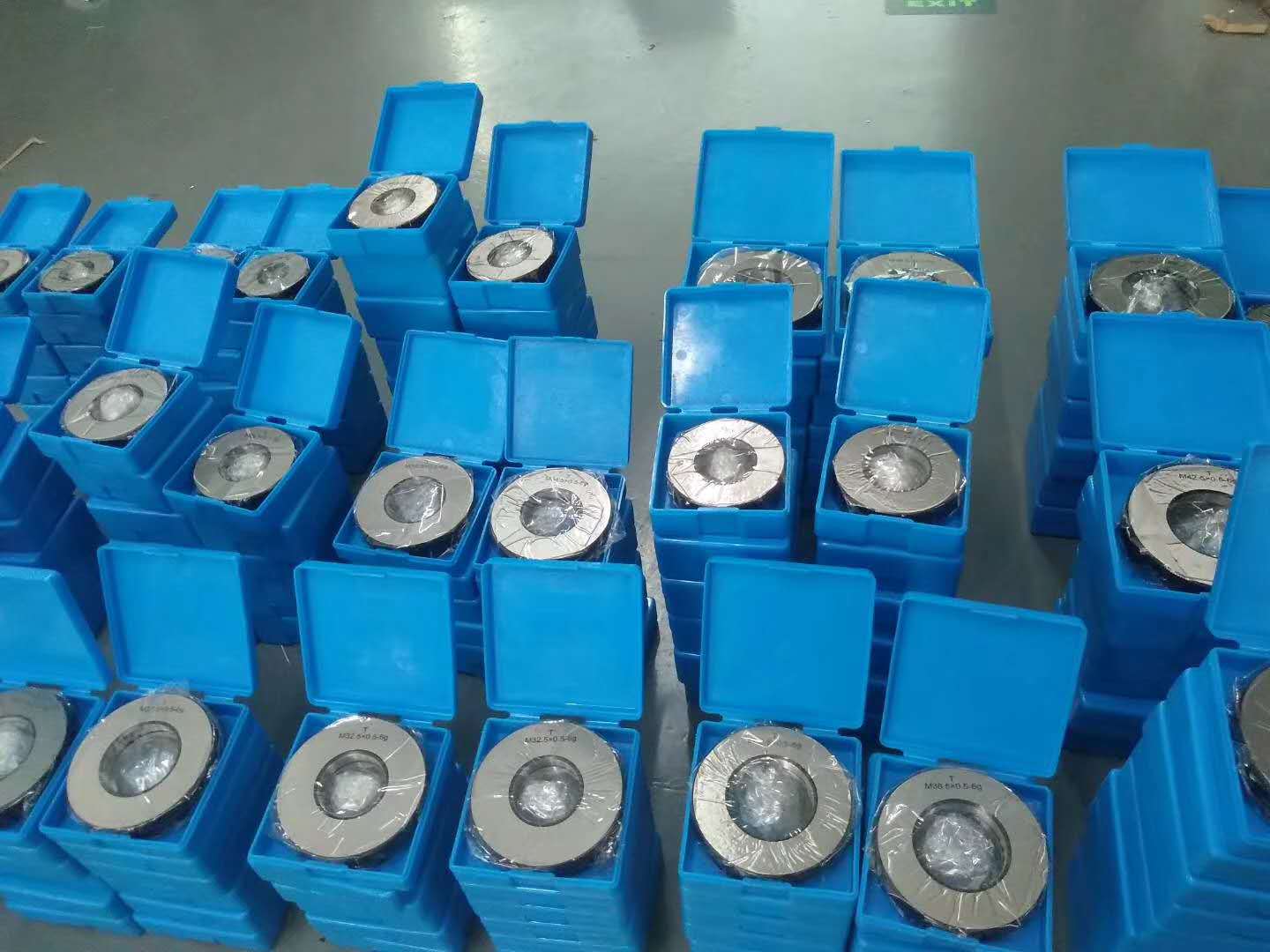
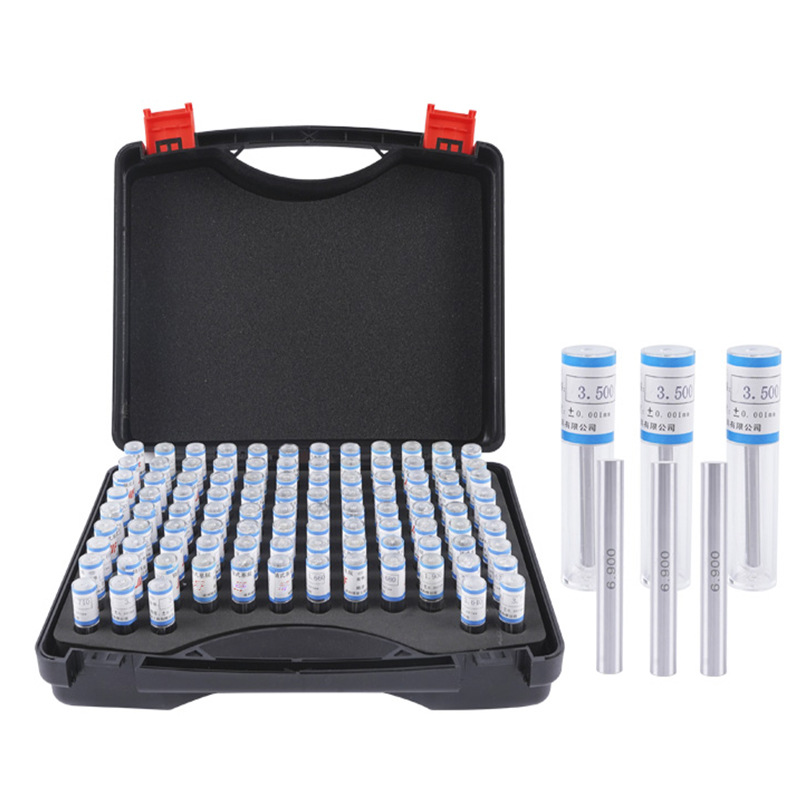
Using a Small Hole Gauge for Precision Measurement and Inspection of Small Orifices
The Importance of Small Hole Gauges in Measurement Small hole gauges are precision instruments used
Versatile 90 Degree Angle Tool for Precision Measurements and Layouts
The 90-degree angle ruler, also known as a right angle ruler, is an essential tool in various fields
 English